Our eyes can only see a small range of emitted light — only 0.0035% of the entire energy spectrum. Beyond the eye’s limit, technology can translate invisible radiation into observable data. For infrared to be observed, it must be emitted. In one of the first combat applications of infrared detection, the US Army developed a rifle-mounted infrared spotlight and detector to visualize troops at night. Today, the military uses thermal infrared imaging to highlight heat emissions under poor ambient conditions. Buildings, tanks, and people stick out on screens like chalk on blackboard, negating the use of camouflage or local fauna.
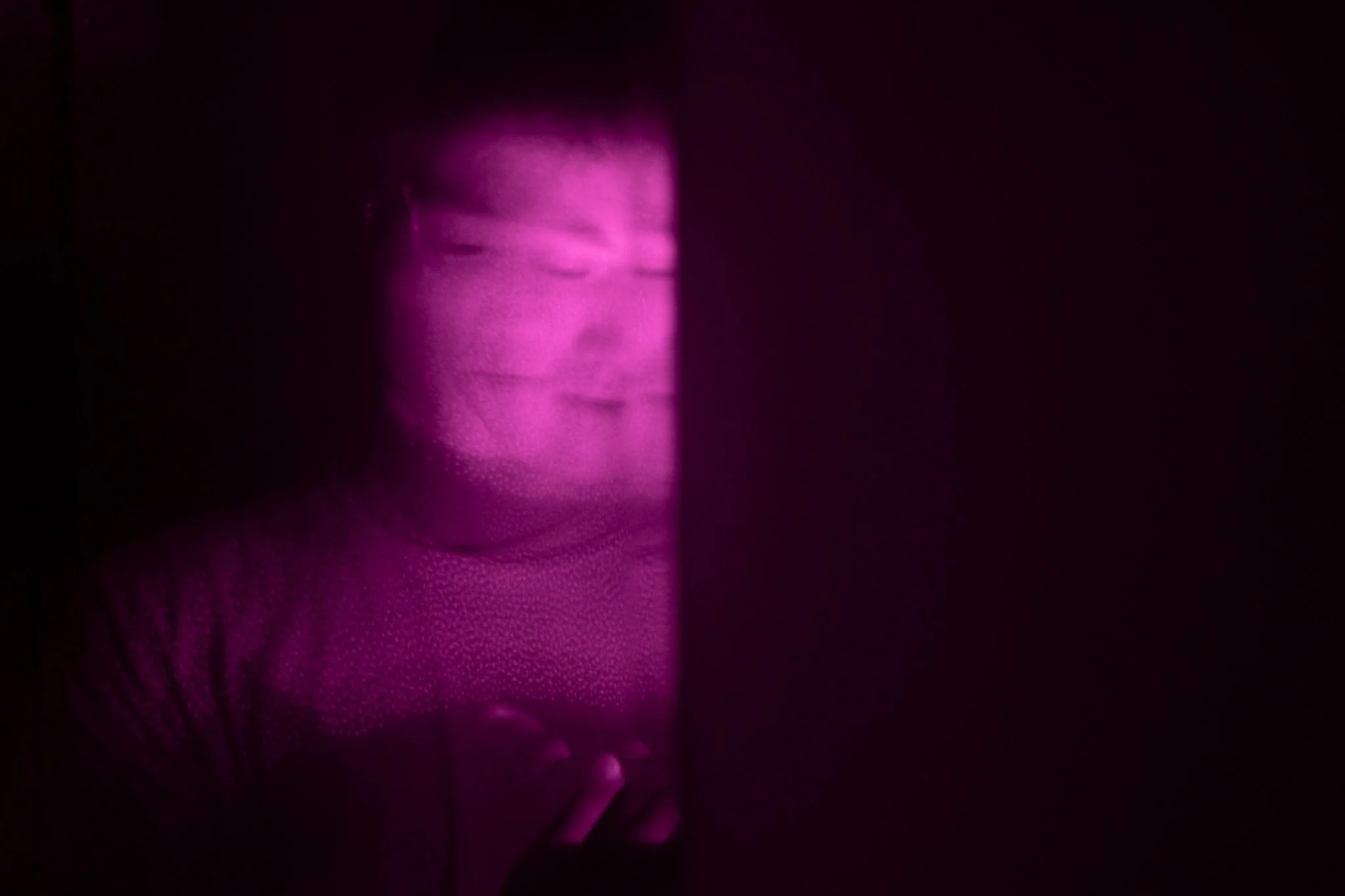
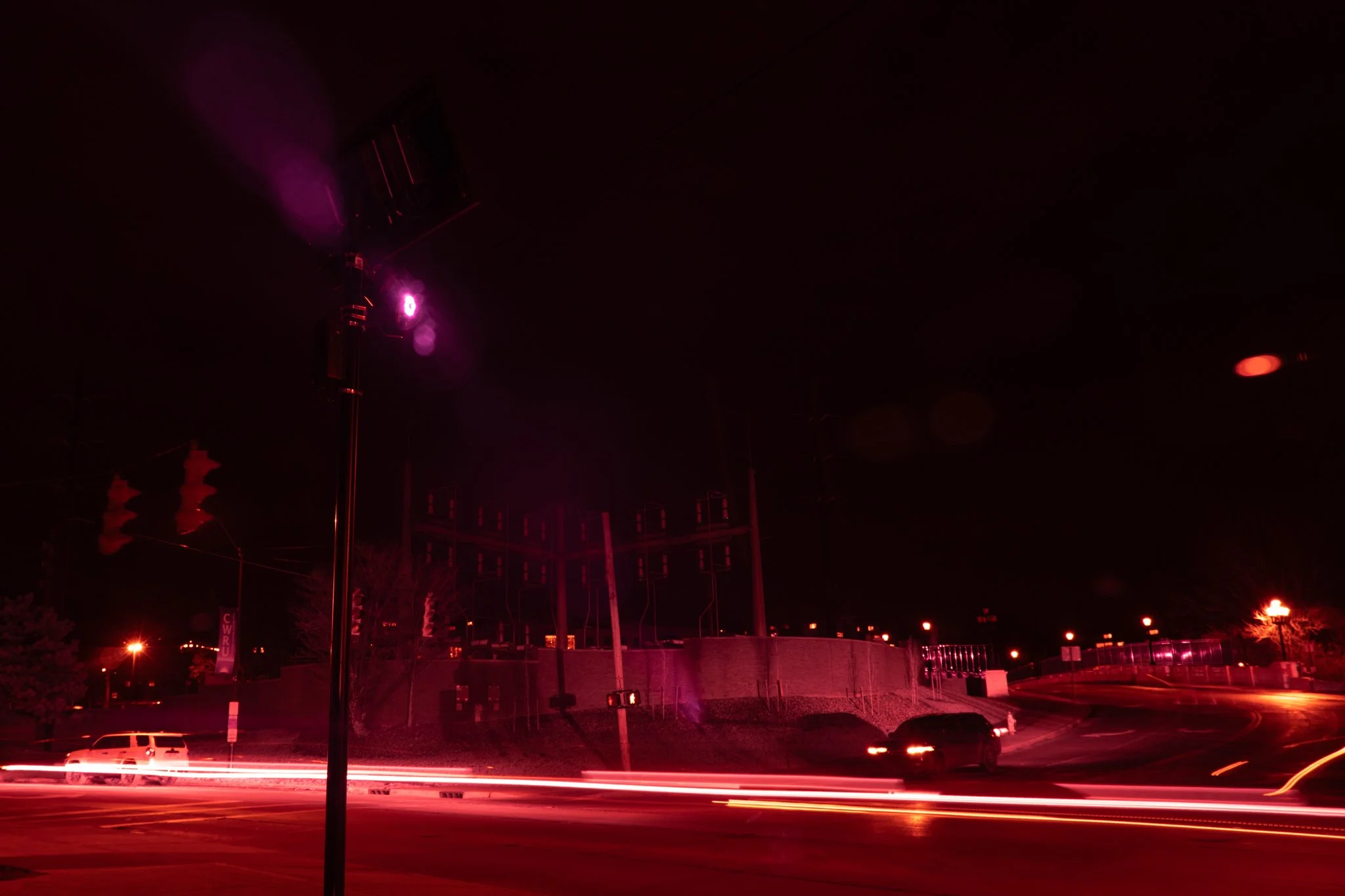
Naturally, the civilian sector adopted infrared technology from their military counterparts. Combined with years of research streamlining sensor efficiency to detect smaller details, infrared emitters can be found scanning the faces of hundreds of millions of users around the world or watching from tall, street poles erected to track errant drivers.
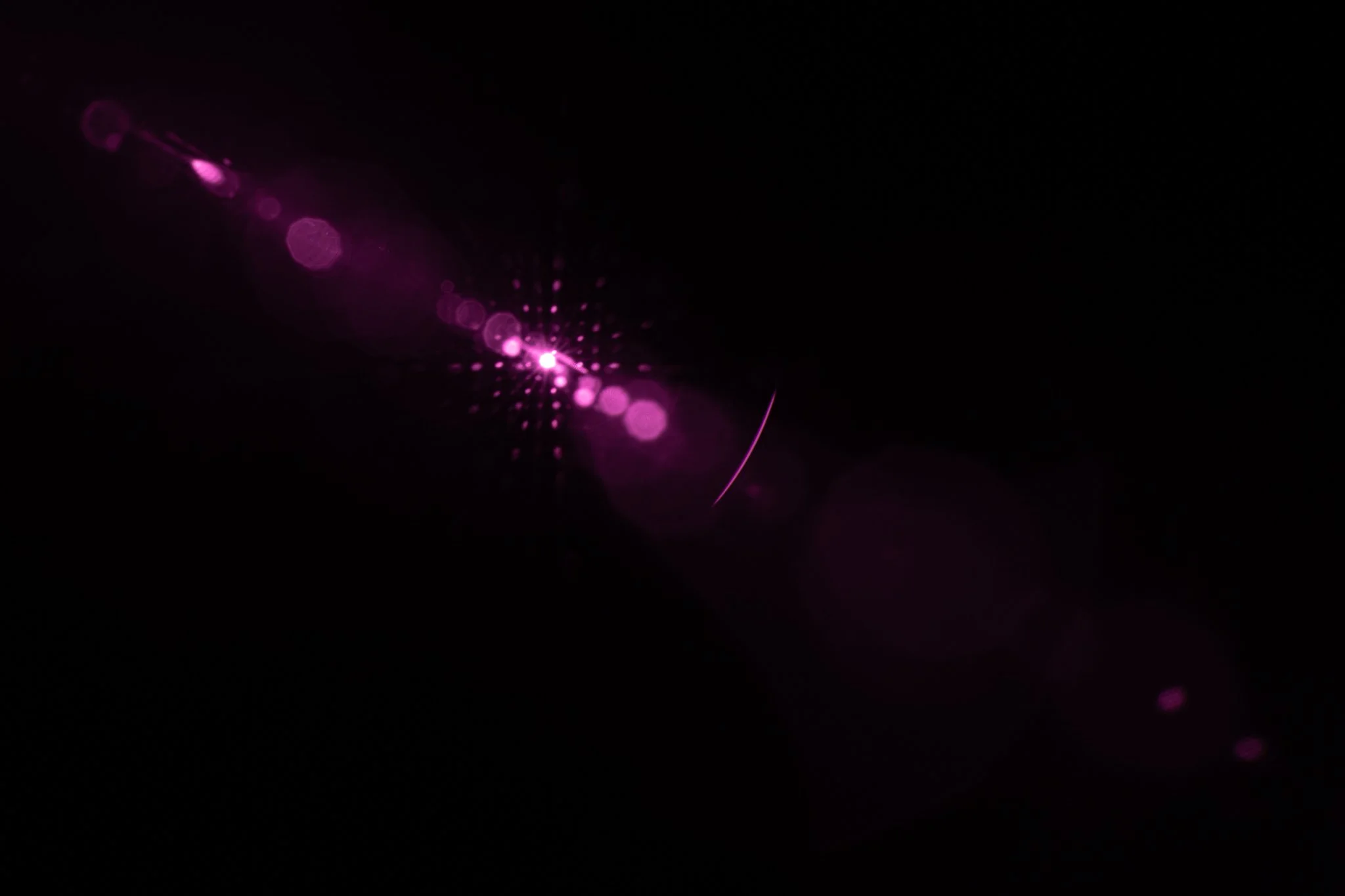
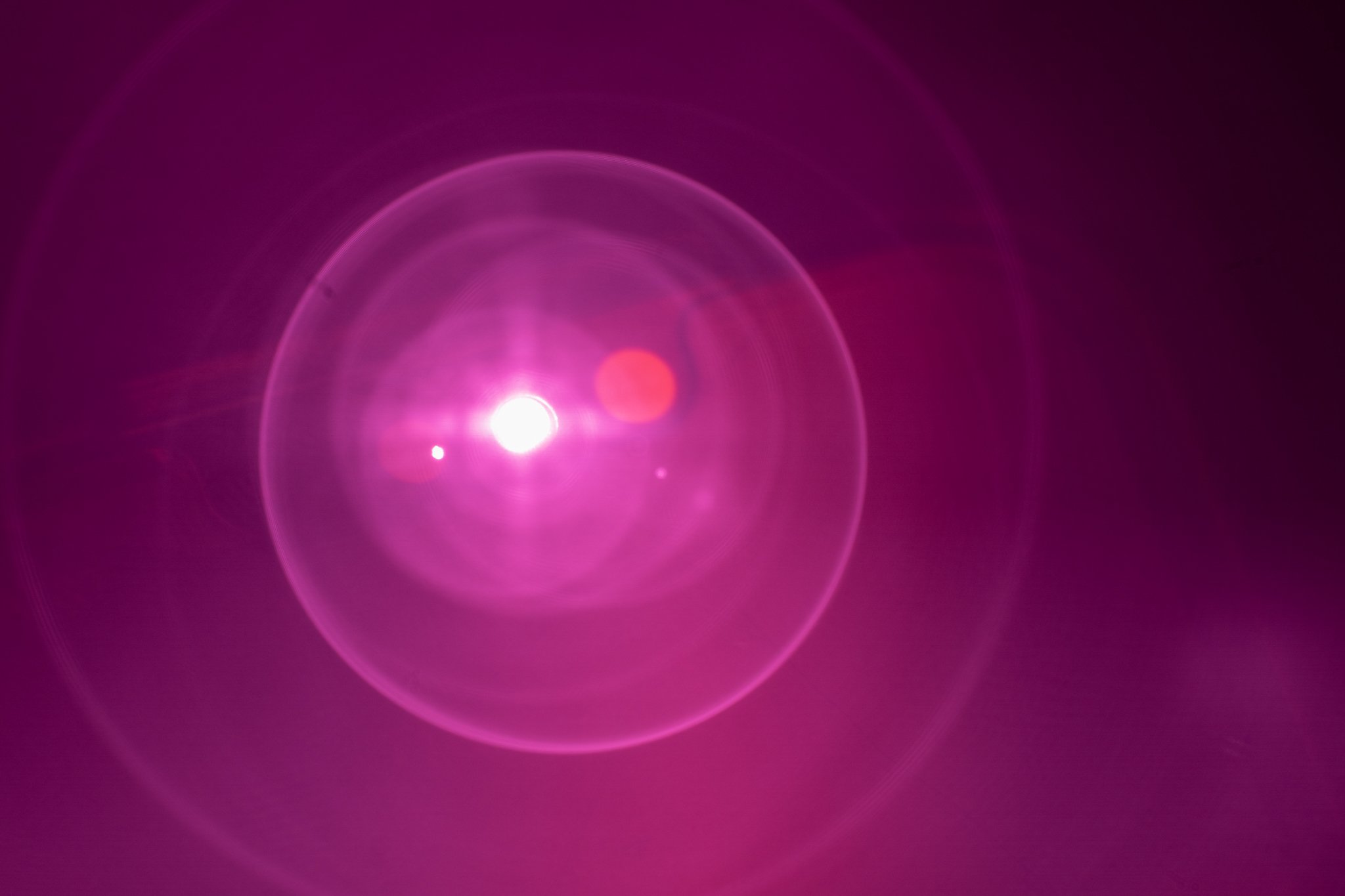
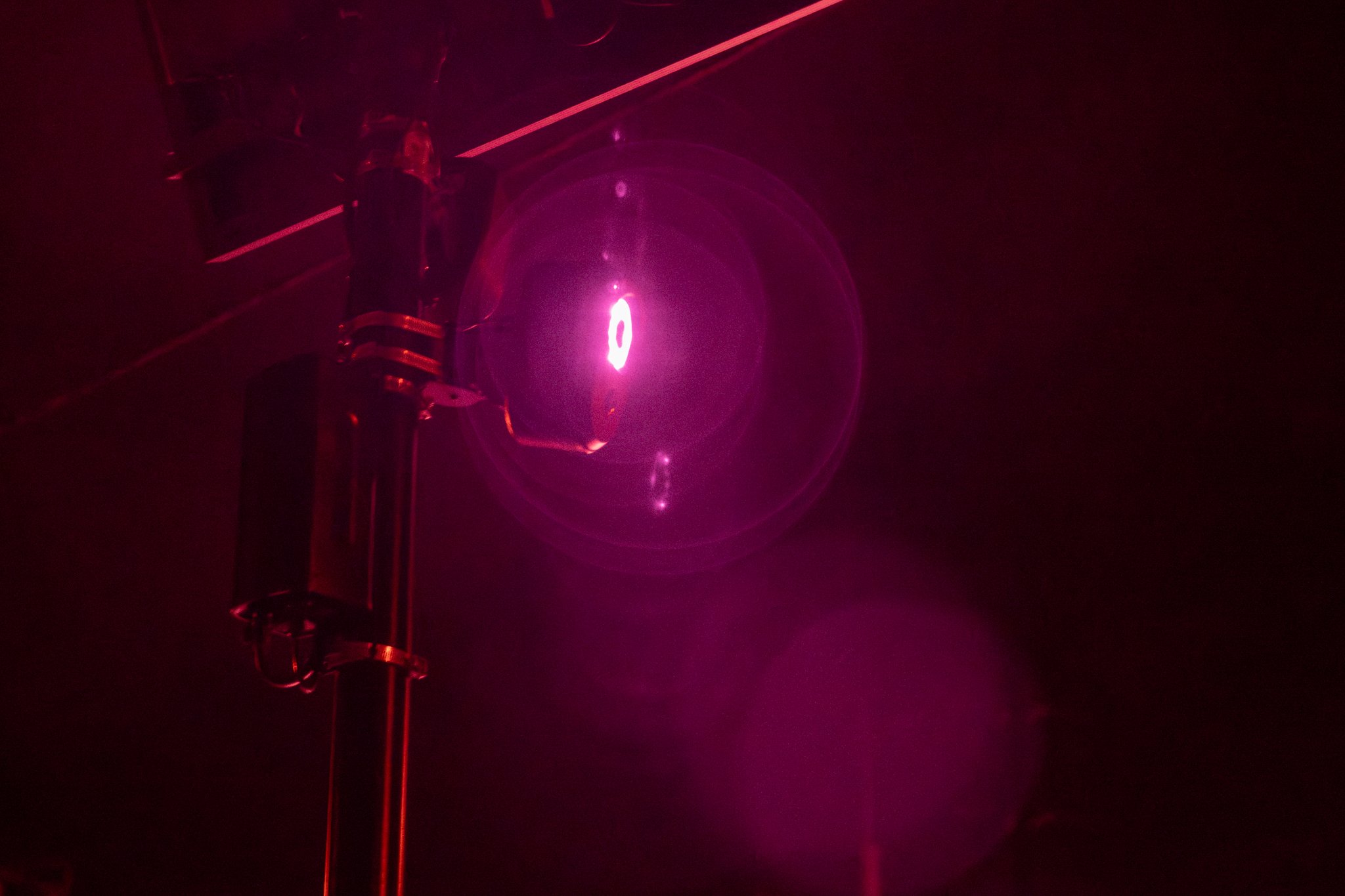
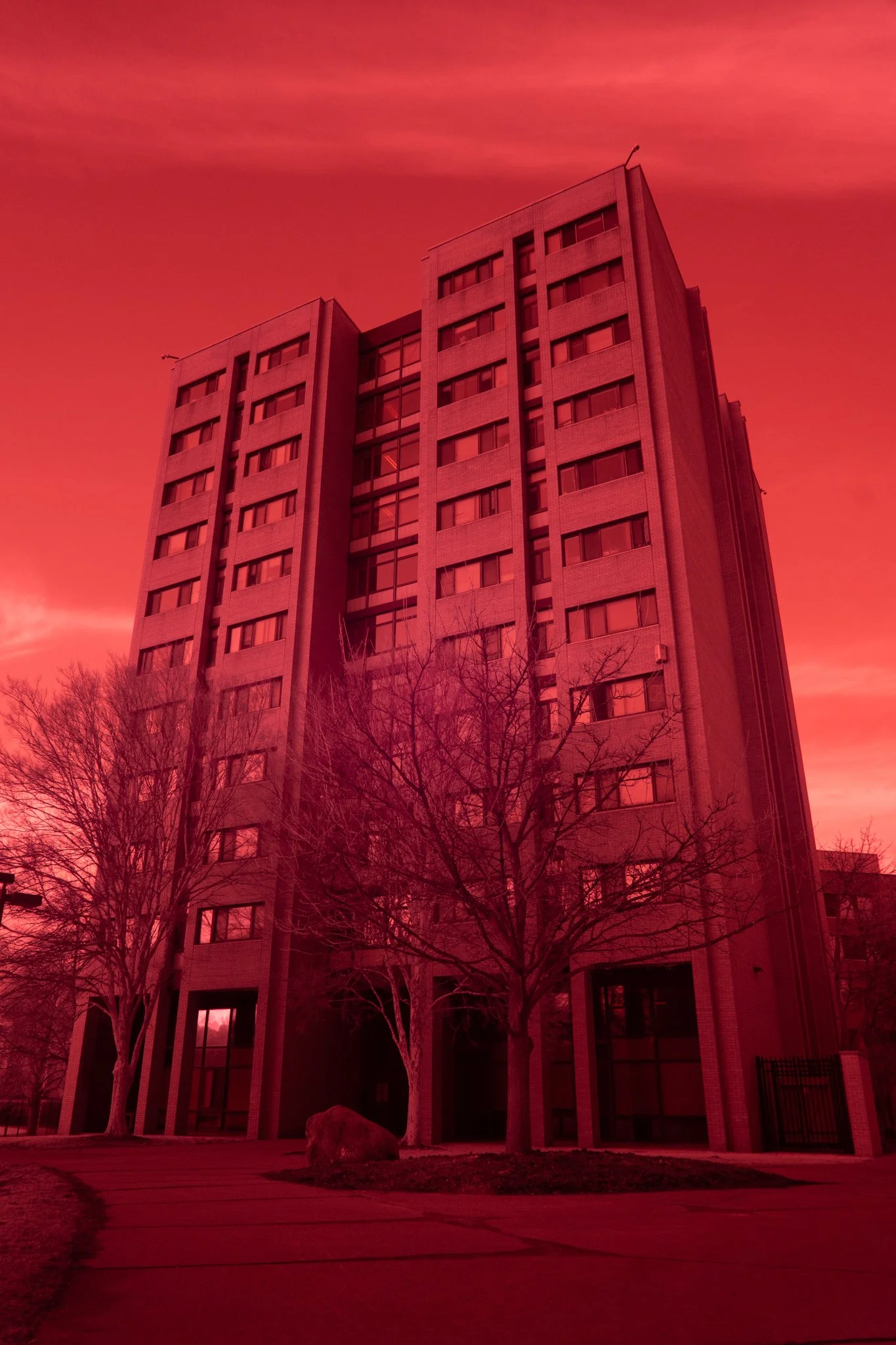
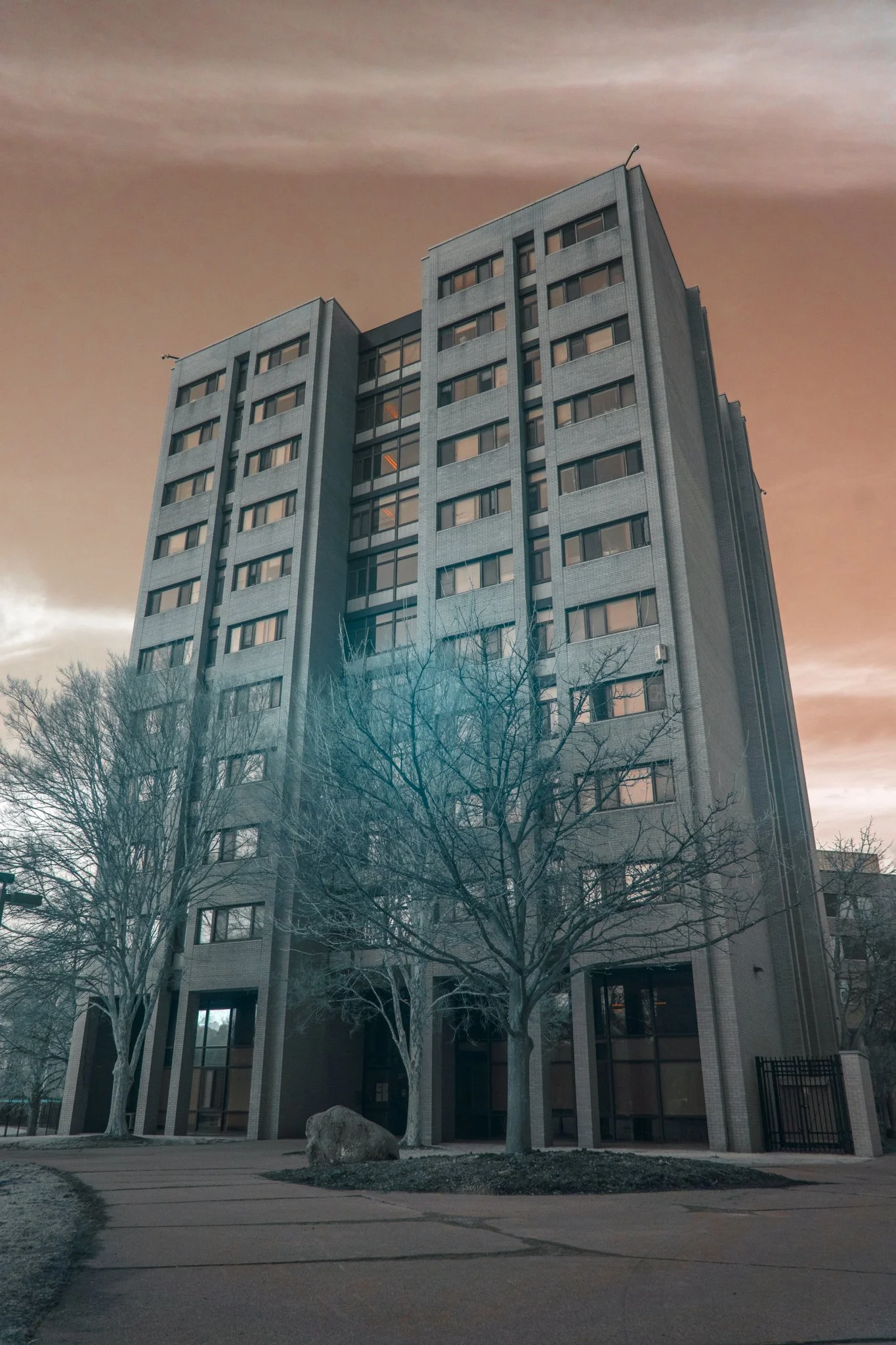
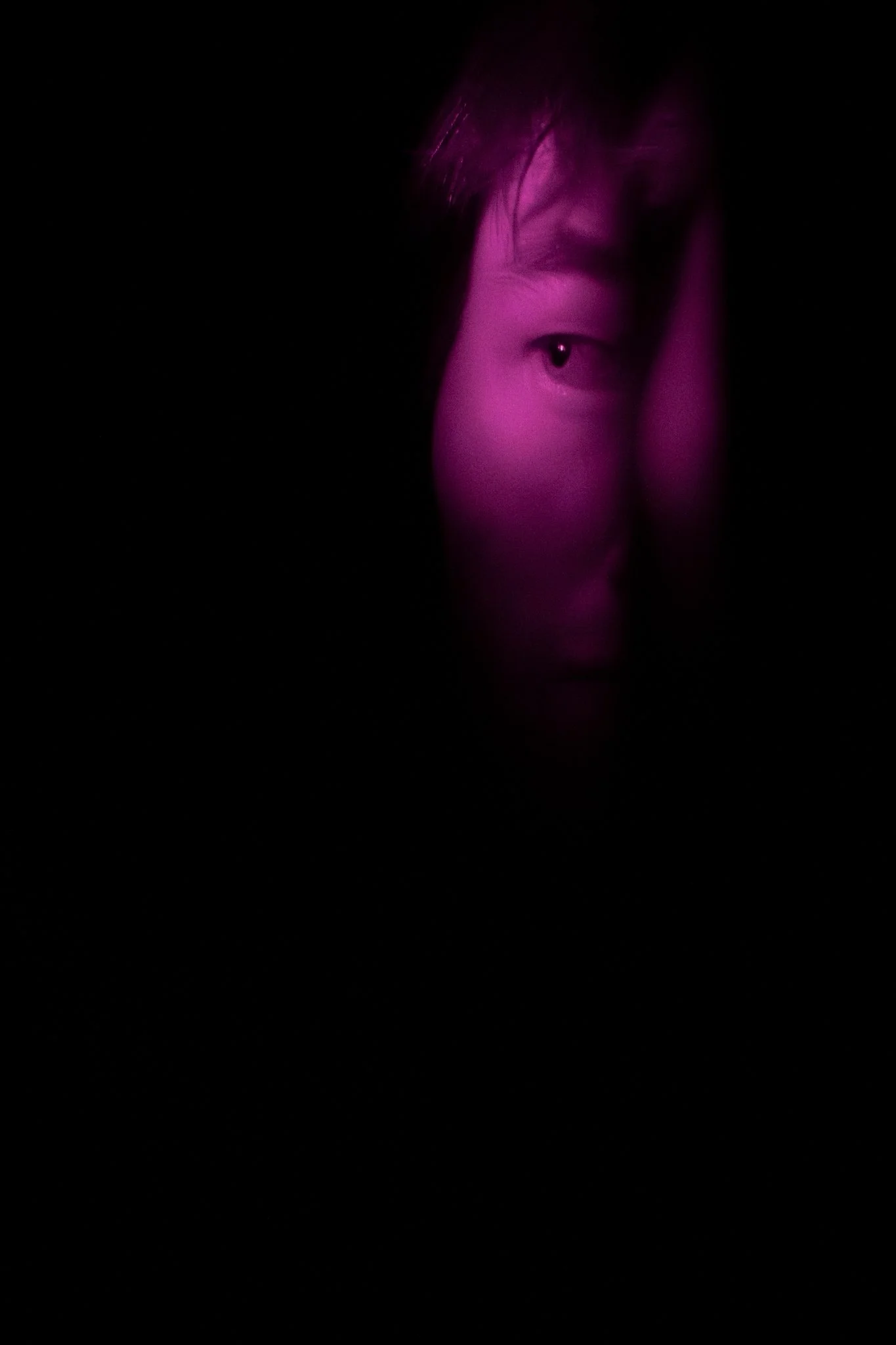
In this series, a mirrorless camera was converted for full-spectrum capture; its factory filter was replaced with an infrared-specific filter, allowing for the observation of our world from the perspective of surveilling machines.
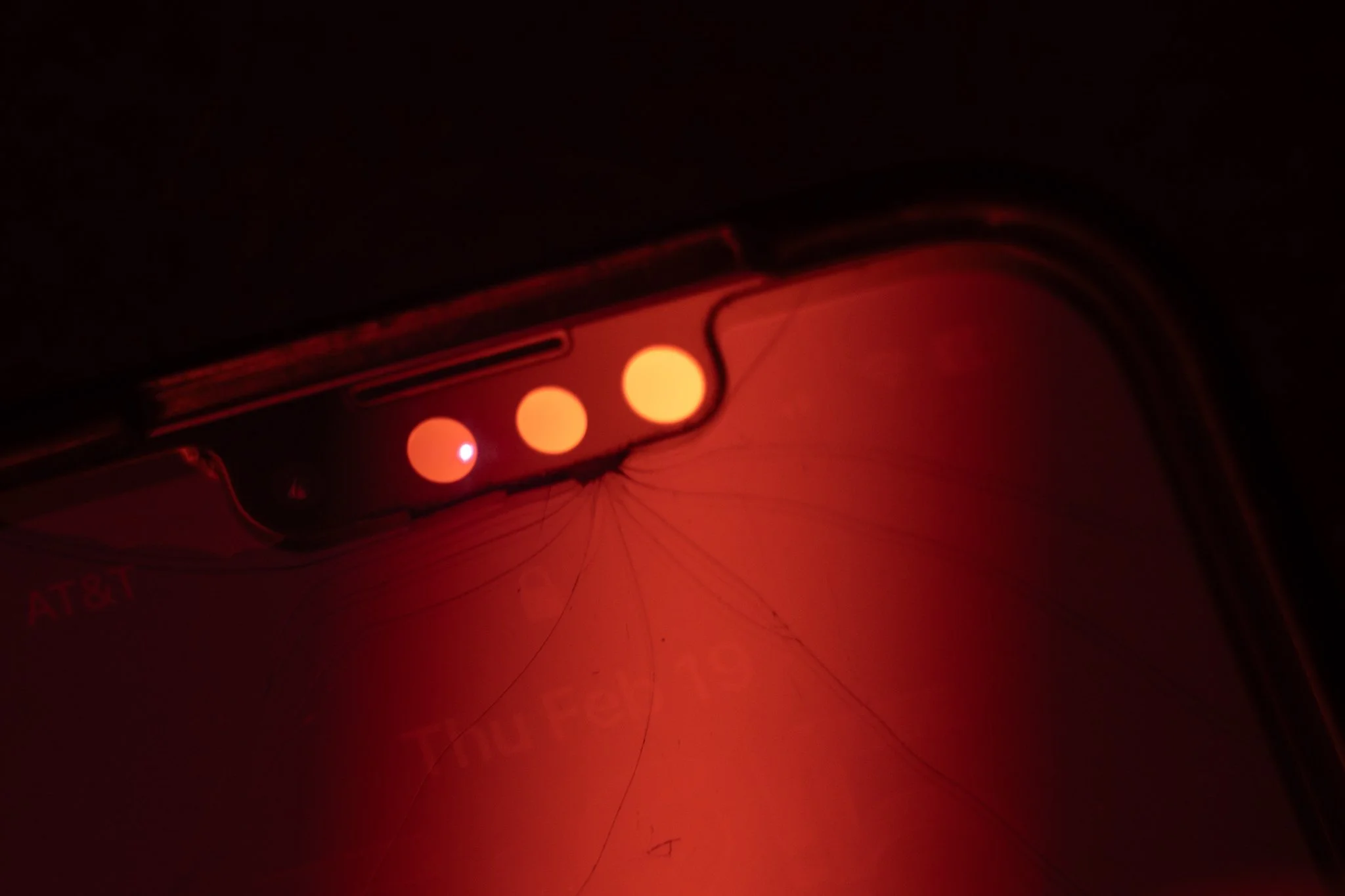
Magenta regions represent IR light closest to the visible spectrum. Apple’s TrueDepth facial recognition system, Flock Safety's traffic cameras, and natural phenomenon, like the sun produce near-IR wavelengths that can be detected by the camera sensor. Using thousands of infrared projections, processing units, like the ones in phones, can gather information on depth and shape to verify an identity. Since, IR is fundamentally colorless, the color assigned is dependent on the camera sensor and its color correction software.